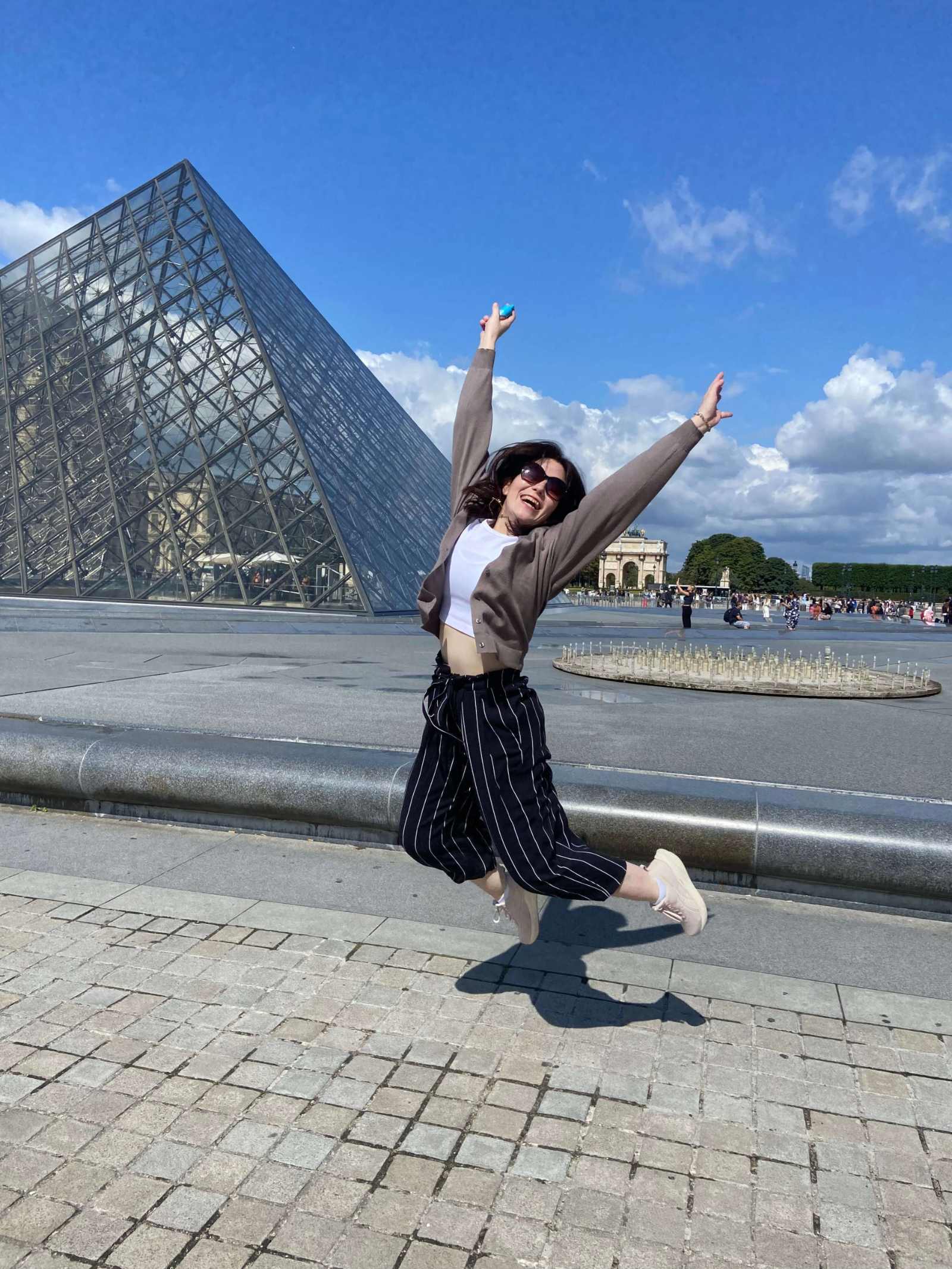
You already know the basics. This is not about the basics.
You are sixty-plus. Nobody needs to tell you that regular exercise matters, that sleep is non-negotiable, that what you eat affects how you feel. You are neither uninformed nor unaware.
So, this is not that conversation.
What I want to talk about instead is the difference between knowing and doing – and why health deserves a different kind of attention in your third act.
Because here is what I have come to believe:
The people who thrive physically as they get older are not necessarily the people with the most discipline. They are the people who make health part of the way they live.
They built movement into their days. They made it social. They find things they actually enjoy.
They stop thinking of health as punishment for what they ate yesterday and start thinking of it as an investment in what they want to do tomorrow.
Health becomes strategy, not willpower.
Why health becomes more urgent, not less
There is a temptation, in retirement, to treat health as something you will get around to – now that you finally have the time.
But the third act is precisely when your physical capacity becomes more important — because what you want to do with your time depends, to some degree, on having the capacity to do it.
Travel.
Grandchildren.
Walking a new city.
Dancing.
Gardening.
Playing sport.
Starting something completely new.
Being independent.
Simply getting out of bed feeling capable of meeting the day.
These things require a body that you continue to invest in.
Ageing is inevitable. Decline, however, is not one single predetermined experience. How we move, eat, sleep, recover and stay engaged with life can influence how well we function as we get older.
And that changes the question.
Instead of asking:
“How do I stop getting old?”
perhaps we should ask:
“How do I stay capable of living the life I want for as long as possible?”
That is a much more useful question.
The five lanes of physical health
Think of your physical wellbeing as a five-lane highway. You don’t have to be perfect in every lane.
But you do want to keep moving.
1. Cardiovascular
Get the blood flowing. Walk. Take the stairs. Find movement that is genuinely enjoyable. The social aspect of exercise is one of the most underrated motivators: a walking partner, a dance class, a padel game suddenly makes movement something to look forward to.
2. Strength
Muscle decline is real and preventable. Lift something heavy, regularly. Resistance exercise can take many forms – bodyweight exercises, weights, bands, or whatever is appropriate for you. You don’t have to become a bodybuilder. The point isn’t to punish your body. Think of it as investing in your future self.
3. Balance
Balance becomes one of those things you don’t think about until you need it. So, practise it. Brush your teeth standing on one foot. This is not a joke. Start today.
4. Mobility
Stretch every day. Yoga, Pilates, Tai Chi – find what resonates. Mobility isn’t about becoming extraordinarily flexible.
It’s about keeping your body useful.
Because the goal isn’t simply to live longer.
The goal is to remain able to participate in the life you’re living.
5. Intake
What you put into your body matters. Food. Water. How you sleep, how you manage stress. These aren’t separate from the rest of your life. They are part of the foundation that allows you to live it.
And again, this isn’t about perfection.
It is about paying attention.
The mindset shift
Leonardo da Vinci – a man who was many things, including an authority on human potential – wrote that “iron rusts from disuse; stagnant water loses its purity.” The same principle applies to your body, and to your mind.
You are not maintaining a body that is declining. You are building a vehicle for the journey ahead. And the journey ahead, if you design it right, is a long and extraordinary one.
Vitality is not something that happens to you. It is something you choose – deliberately, consistently, and with as much joy as you can find in the choosing.
Don’t move because you’re afraid of getting old. Move because you still have somewhere to go.
Health is the second pillar of No Expiry Date Living. The Retirement Roadmap explores what keeping the engine running actually looks like in the third act – with practical tools, honest assessments, and the occasional reminder that ten minutes a day is enough to start.